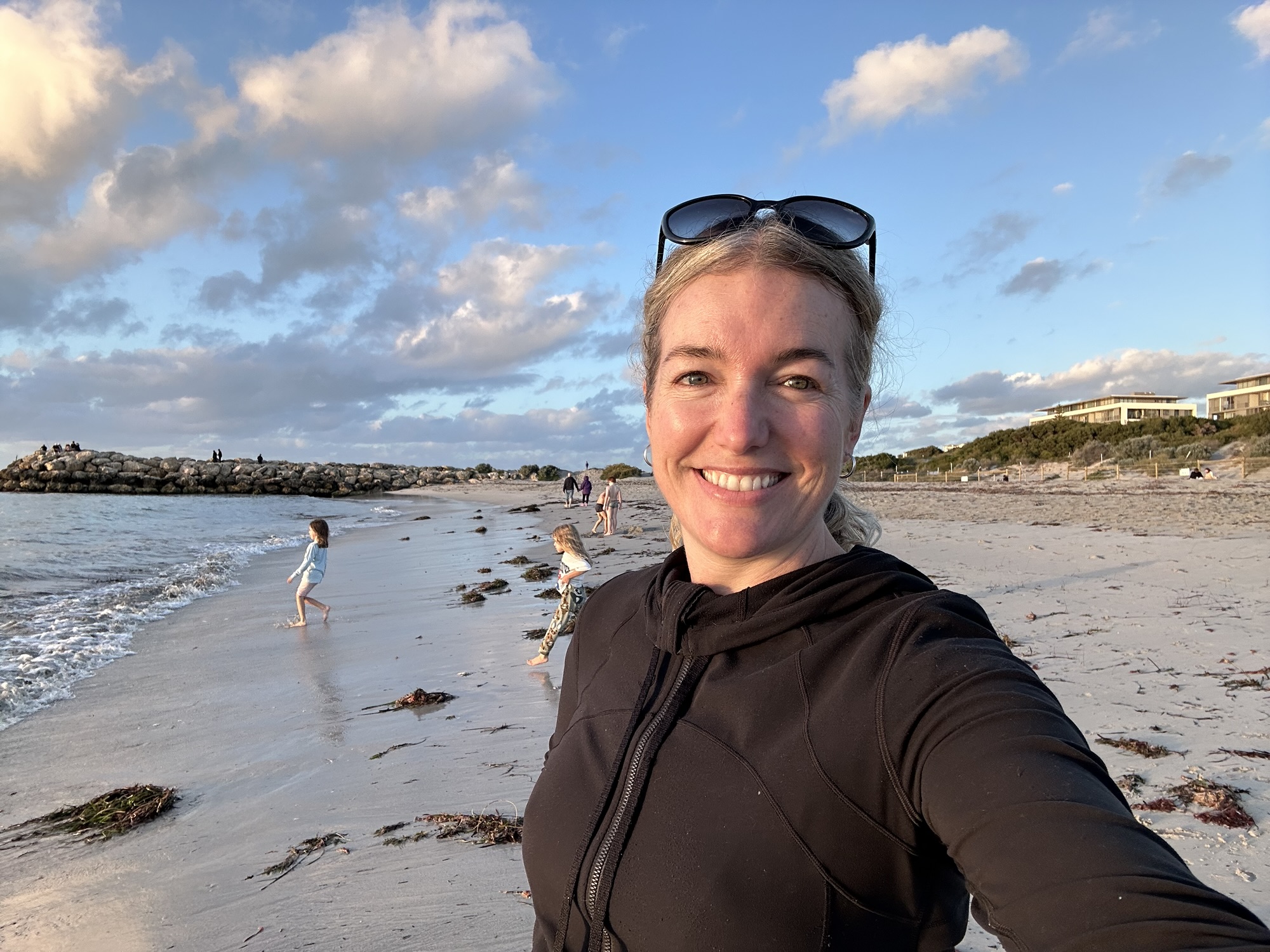
Why travel to Australia with your family?
Australia is a fabulous place to take a trip to with your family. I’m not going to lie, it’s a long way away for Brits, Europeans and Americans! However, it’s a lot of fun and definitely a bucket list destination. A politically stable country, with great weather, the world’s best beaches, relaxed locals and enjoyable wildlife, you will need to give yourself at least a couple of weeks to see even a fraction of the place. I’m going to focus on Western Australia (WA) here, however, my recommendations are pretty generalisable to the rest of the country.
Best places to stay in Australia
I am partial to Western Australia so, for your family trip, I’m going to recommend popping into Perth as well as some of the bigger cities such as Sydney and Melbourne. All these cities are in the southern end of the country. I’m also going to suggest two smaller locations in Western Australia. The first is Broome, the pearling capital in WA’s north, and the other is perennial family favourite, Rottnest Island, as a little escape from the mainland.
Perth
The capital of Western Australia, the country’s biggest state, Perth has great coastline, a large and very pretty central park, and fabulous weather. Known as Whadjuk country by the local Noongar people, its sits on the banks of the Swan River, where you can see majestic black swans. Within a day’s drive you have fabulous wine regions, such as Margaret River, beautiful old growth forests, and cool geological formations, like the Pinnacles. Take a short ferry ride and you’ll reach the incredible holiday spot of Rottnest Island.
Perth almost always has great weather – its gets more than 3,200 hours of sunshine every year. If beautiful weather is important for your family trip to Australia, definitely consider adding Perth to your itinerary!
Sydney
The biggest city in Australia, though not its capital (that title belongs to Canberra!), Sydney is very beautiful and has a fabulous harbour. Its also home to our sparkling attractions of the Harbour Bridge and the Opera House. The area is located on Gadigal Land of the local Eora people. World famous Bondi Beach is a short ferry ride from the city centre, so pop down for a swim. Make sure you check the beach signs and swim between the flags.
Sydney is a couple of degrees further south than Perth resulting in a slightly milder and more humid climate.
Melbourne
Our second biggest city, located on the southern coast, and dealing with some rather variable weather, Melbourne is known as Naarm by the local Wurundjeri people. The city is the heartland of Australian Rules Football, a winter sport you should definitely check out. Melbourne is probably the favourite domestic destination of folks from WA, and the only place we would recognise as having coffee that rivals ours in quality. Yes, coffee is a big deal, and we consider ours as some of the best in the world. Please don’t visit Starbucks while you’re in Australia; there are far better options.
Broome
Broome is a gorgeous town in the Kimberley region of Western Australia. It’s the perfect place for a trip during our winter season as it has warmer temperatures than the southern regions. Also know as Rubibi, by the local Yawuru people, Broome is home to beautiful Cable Beach, and pearl and crocodile farms that you can visit and tour. Broome is considered “croc country” and comes with a year round warning to avoid going into mangroves and estuaries – the natural habitat of saltwater crocodiles. The beaches themselves are considered safe, especially in the dry season (May till October). Its always worth following advice from local authorities.
My parents took me on a family trip to Broome when I was in primary school and it was amazing, so keep it in mind if you are coming to Australia.
Rottnest Island
Rottnest occupies a special place in the heart of every Western Australian. A very gently developed tourist destination, Rottnest retains much of the charm it has had for the past few decades. There are no private cars, just lots of bicycles, and most accomodation options are small self contained cabins around the bays. Day trips are super easy using the ferries, as it’s only 30min from Fremantle to the island. Home to one of the sweetest little marsupials in Australia, the quokka, you can most definitely get a selfie with one.
Again, some really great memories I have are of family trips to Rottnest, so I highly recommend making this a part of any holiday to Australia.
When is the best time to visit?
Australia is huge so the best time for you to organise your family trip depends on what region you are interested in. Keep in mind our seasons are opposite to what the northern hemisphere experiences – for example our summer is December through to February.
Spring
September through to November is a beautiful time of visit any of the southern cities. You will need a jacket and sneakers for the cooler days and the evenings for anywhere you go. South coast cities such as Melbourne will generally be colder as they face south towards Antarctica and receive chilly winds from that direction.
And you are also in the dry season for going to the northern regions such as Broome or Darwin. Think twice about heading up from November, as cyclone season begins and you need to pay attention if there’s any storm activity.
Summer
A great time to visit is December through to February! We have Christmas and new years in summer here, so if you wanted to try out the festive season at a different temperature point, we can help! We have our long school holidays from Christmas through to the end of January and so many destinations will be busy. It will be hot, so bring clothes in nature fabrics that will be cooler for you to wear. UV levels are very high during the day at this time as well. Protect your skin with sunscreen and cover up where you can.
Not the best time to go up north, as it’s the rainy season and cyclone season. If you do choose to go north, pay attention to local news and follow the Bureau of Meteorology’s advice.
Autumn
March through to May is a great time to come visit any of the major cities. The main summer heat has passed and we’re back to regular UV strength and slightly cooler days. You’ll still get plenty of sunny days.
Cyclone season continues till the end of April so avoid going north unless you’re following the Bureau of Meteorology’s advice.
Winter
The time to go check out our northern regions is June through till August – it is warm, dry and sunny up there most of the time, whereas the southern areas are getting cooler temperatures and more rain.
Our ski season runs June through to October – yes we have some great ski resorts! Our resorts are mostly located near Canberra (e.g. Thredbo) and Melbourne (e.g. Mt Bulla). You can also reach several of the resorts from Sydney but you’ll be driving an extra few hours – you might as well fly into Canberra and go from there. And our island state of Tasmania also has a couple of smaller resorts!
Is Australia family friendly?
Yes, Australia is very family friendly. It’s a politically stable country with generally great weather and many safety regulations. The outdoors are clean and well kept, tap water is drinkable everywhere, and in the event of an accident or sickness we have great healthcare available. There are lots of playgrounds when you know where to look and national parks can be found around every city. Also, with every major city located on the coast, you are never far from a great beach with on-duty lifeguards. Unless you’re in an inland destination such as Uluru or Kalgoorlie of course!
It’s worth having a little chat to your kids about being respectful to wildlife. For example, don’t approach kangaroos in the wild, no picking up quokkas on Rottnest Island, and avoid touching snakes and spiders. Not all of our spiders and snakes are venomous, and bites are pretty uncommon, however, we like to be vigilant. Here’s a good guide to what to do about snake bites.
Food in Australia
Our food is a beautiful mix of influences from many parts of the world. You can often trace it back to the waves of immigration Australia has experienced. Generally at pubs, you will get some traditional British fare such as fish and chips, you’ll also get some great pizza, chicken parmigiana (a favourite here) and steaks. Every town or city will have some good options for Italian and Chinese food. We also have a great selection of East Asian, South Asian and South East Asian restaurants. Given the coastal location of most of our cities, you will also find an incredible variety of seafood restaurants. These vary from local corner fish and chip shops, to posher seafood grills which you’ll find near beaches and fishing harbours.
Kids menus are offered in many pubs and restaurants and will usually include smaller pizzas, chicken nuggets and burger sliders.
Practical tips for traveling in Australia with children
Visas
Prepare your family’s visas early, well in advance of your Australian trip! As of June 2026, citizens of every country, with the exception of New Zealand, require an electronic visa to enter Australia. Check out the government’s Home Affairs website to find out what visa you will need to organise.
Prepare your snacks
You can bring your children’s own favourite prepackaged snacks from home, but do try some of our snacks too. Our friendly but strict Border Force usually confiscate home-made things on entry so keep this in mind. We have some wonderful biscuit/cookie options, and our savoury snacks are good too. Here are some of my local favourites which you can get at any supermarket.
- Tiny Teddies – little butter biscuits shaped like teddy bears, which come in flavours like honey, chocolate, choc chip and 100s and 100s (100s and 1000s are like sprinkles but crunchy).
- Shapes – savoury crackers with flavours like BBQ (my favourite) and Pizza. My kids enjoy the Chicken Crimpy flavour.
- Jatz crackers – salty crackers, not much more to say! Also have a pepper variety but they’re not favoured by the children.
- Muesli Bars – a small individually wrapped sweet bar of oats. Mostly come in soft, but you can also buy crunchy versions.
Beware the sun
Don’t get me wrong, we love the sun in Australia! But it hits hard here. If you’re taking your family trip during the Australian summer, it’s important to ensure everyone wears sunscreen every day, as our UV levels are high. Make sure you visit a supermarket for some sunscreen as soon as you arrive. It’s probably cheaper here than most other countries. My preferred brand is Cancer Council, which does a great range of sunscreens including a good sensitive formula.
Courtesy
We have some particular rules in Australia around courtesy. People like it if you greet them when you cross paths, unless it’s a very busy street. People say “please”, “thank you” and “sorry” a lot, just like in the UK. We line up with great discipline. And it is important to not stand too close to the person in front of you in line.
Cycling
There is a steady push for people to become more bike than car dependent here. Bike helmets are a big thing, so wear one when you ride. The police will be happy to fine you if they catch you without one. Our holiday resort island Rottnest Island is a car-free zone for holiday makers and the only way to get around is via bike, which you can hire from the local rental kiosk, or bring your own over on the ferry.
The beach
Unless there’s particularly stormy weather, you’ll find yourself more than once at a beach while on your family trip in Australia. If you and the kids plan to swim, keep an eye on them while they’re in the water, and make sure younger kids, or kids who are not confident swimmers, have water wings or a float vest. Many of our biggest and busiest beaches, such as Bondi and Cottesloe, have surf life saving clubs on them, with volunteer lifeguards who will patrol a section of the beach between their flags. Smaller beaches which are more calm and shallow, such as Jetty Baths in Bunbury, may not have the same need for regular surf life saving patrols. A good rule of thumb is to swim between the flags if there are flags.
What to pack for a trip to Australia
Here are a couple of non-exhaustive lists for you to pack for your family’s trip to Australia. If you forget anything, don’t fret, we do have a lot of shops stocking all the things you might need.
The flight
It is usually a a long flight so make sure you are all as comfortable as possible. Consider if you’re flying with one of the big airlines or with a budget one. Big airlines come with entertainment systems which are fabulous for kids once they reach a certain age. My kids started enjoying in-flight movies around 3 years old. As younger children they required other activities to pass the time. Here’s what I recommend:
- Compression socks for adults (I don’t think kids are so at risk of swollen legs!)
- Sleeping masks and comfortable ear plugs
- Light coat or large scarf to double as a pillow or tent to block out the light if you get tired kids
- Headphones – preferably over ear ones; you can bring ones with wires to fit the audio port in the seat in front if you’re flying with an airline that has in-flight entertainment, or wireless ones if you have a tablet with bluetooth for your kids
- Tablet with some downloaded movies for the children – recommended especially if you are flying with a budget airline, or will be doing domestic travel while here. Make sure the movies download properly, and ensure you have enough hours to keep them going for the whole transit time!
- Books, colouring equipment, cards, any other entertainment that keeps them busy
- Nappies and wet wipes are necessary for young kids so bring extra
- Formula and baby food if if you have an infant, but check what your airline and airport allows in terms of security
- Snacks are generally a good idea for long flights – just be aware that on arrival in Australia you’ll need to put any left over food items in the bins before you reach Border Force (our customs organisation). We have rather strict biosafety laws here!
Summer
Known for our summers, Australia has a long hot season. To be honest, we really don’t have a very clear spring or autumn season and so many people only refer to summer and winter. Of course, our climate is more complex than that and it is super interesting to learn about the traditional seasonal calendars of our First Nations peoples. Once you know where you’re planning on visiting, check out those calendars for more details on the likely weather.
To keep things simple for you, we’ll stick with the idea of a generalised summer. Bring clothes you will be cool in, preferably made of cotton or some other natural fabric, and definitely some sun smart stuff like hats and sunglasses.
- Short sleeved tops and t-shirts
- Shorts – bring several pairs
- Bathers/swimsuit/cozzie – we have several names for the outfit you wear to swim! You can also wait till you’re here and buy from them any of our reasonably priced shops like Kmart or Big W. They sell a variety of suits including long sleeved outfits to protect kids’ arms.
- Flip flops (though you must prepare to call them ‘thongs’ like we do!) or other open sandals to wear to the beach.
- Hat – preferably a wide brim hat for the kids
- Sunglasses
- Sneakers
- Light jacket – usually only needed on occasion in the evenings, but also effective if you go to any windy spots along the coast
Winter
Australia isn’t an especially cold country, but – and it’s a big but – our houses and buildings are generally built to release heat, not keep it in! The result is that, inside our homes, it can get pretty chilly in winter. There is a reason we are the birthplace of ugg boots! So bring some warm stuff with you if you’re visiting in winter. The amount of warm stuff does depend on which areas you are visiting: Tasmania and Melbourne, for example, are pretty cold. If this is where you’re heading, then maybe increase the heaviness of your raincoat and consider some thermal underwear.
- Raincoat (preferably lined so it provides some warmth). If you’re visiting Tasmania or Melbourne then perhaps also bring a light padded jacket to go under
- Long sleeved tops or shirts
- A jumper or sweater
- Warm hat
- Sneakers
- Boots with decent tread if you’re planning on visiting any ski resorts
How to get to Australia
If you’re able to fly with Qantas, there is no better way to fly into Australia on your family trip. If you do manage to book a flight with the flying kangaroo, listen out for the ‘welcome to Australia’ message towards the end of the flight and keep an eye out for any returning Aussies. You can tell them by the way they get a bit teary when hearing “welcome home” over the intercom. It’s very sweet. And yes, I’ve been one of those returnees before.
Air New Zealand is also pretty exceptional and I’ve always found them to be comfortable and great hosts.
There are also a ton of other airlines flying into Australia from all over the world, including Qatar, Emirates, Singapore Airlines, Turkish Airlines, and American Airlines.
It’s worth mentioning that flying to Australia takes time. For example, from London the quickest way to arrive here in Perth is by the non-stop Qantas flight taking up to 17 hours. From Los Angeles, the nonstop flight to Sydney is about 15 hours. And don’t forget that if you arrive in Perth, it’s another four hours or so to fly to Sydney, and vice versa.
Sample 14 day family itinerary
Here is a quick 2 week itinerary that should be doable for most families. We’re starting off in Perth and moving across to Sydney before returning to Perth for your departure flight. If you’ll be arriving in Sydney, you can do this in reverse.
- Day 1. Arrive in Perth and take your bags to your accomodation before heading to the closest beach to dip your feet in the Indian Ocean. Cottesloe Beach is a great choice. Dinner early outside at a seafood restaurant or get takeaway from one of the local fish and chip shops and eat on the foreshore.
- Day 2. Take a ferry over to Rottnest for the day. Rent some bicycles from the bike shop, cycle around the island and go for a dip, snack on a jam doughnut from the bakery, and finish up at Hotel Rottnest for a drink before heading back to the mainland on the ferry.
- Day 3. Rent a car and drive down south to the Margaret River area for a couple of nights, stopping in at The Crooked Carrot for lunch and to let the kids burn off some energy in the playground, stock up on fresh provisions at Bunbury Farmers Market.
- Day 4. Do a wine tour with a stop for lunch at one of the many great eating spots, check out Marianne from Mum on the Move’s great list of family friendly wineries. If you don’t fancy doing the driving for this, you can book a family friendly private bus tour with one of the tour companies.
- Day 5. Drive back up to Perth, stopping in at Bunbury’s Dolphin Discovery Centre, with lunch either nearby at 62Thirty Cafe or in the centre’s own kiosk.
- Day 6. If you’re up for a small drive then head on up to AQWA, WA’s aquarium, otherwise you can take a trip to Perth Zoo, on the south bank of the Swan River. If you opt for the zoo and you’re staying in the city, then catch the ferry from Elizabeth Quay to South Perth; the zoo is a short walk from the ferry pier.
- Day 7. Fly to Sydney, visit Bondi Beach for your mandatory foot dip in the Pacific Ocean and perhaps a meal at Icebergs swim club. If your kids are up for a walk, you can go along the coastal path and stop at a cafe in a neighbouring bay such as Bronte Beach.
- Day 8. Visit fabulous Taronga Zoo: take a ferry from circular quay, check their plan your visit page. This may well be the second zoo on this trip, but we do have lovely zoos here!
- Day 9. Take a ferry ride around the harbour. You can either pay a bit extra for an actual tour with a guide, or, if you prefer the budget option, take a taxi/uber to Rose Bay or Double Bay and catch a ferry back to Circular Quay (the Opera House) and you’ll still get a stunning view.
- Day 10. Blue Mountains day trip: take the train from Central Station to Katoomba, book a hop on hop off bus, and see the 3 Sisters.
- Day 11. Climb Sydney Harbour Bridge if your kids are 8 or older and at least 120cm tall. Children must be with a guardian at least 18 years old. Afterwards visit the playground at Darling Harbour to let the kids let off some more steam.
- Day 12. Fly back to Perth, take it easy for the rest of the day
- Day 13. Wander Elizabeth Quay and then head up into Kings Park’s Zamia Cafe for lunch, letting the kids run loose in their sprawling playground.
- Day 14. Do the shopping required for any last minute gifts, remembering that Tim Tams will suffice for most friends and family back home, and can be bought relatively cheaply at any supermarket.
What do I know about Australia?
I was born and grew up here before leaving in my mid twenties. My family has stayed so I have done plenty of trips back to Australia, including as a family with small children for the past eight years. Check out my About Me page to find out more about my perspective.